

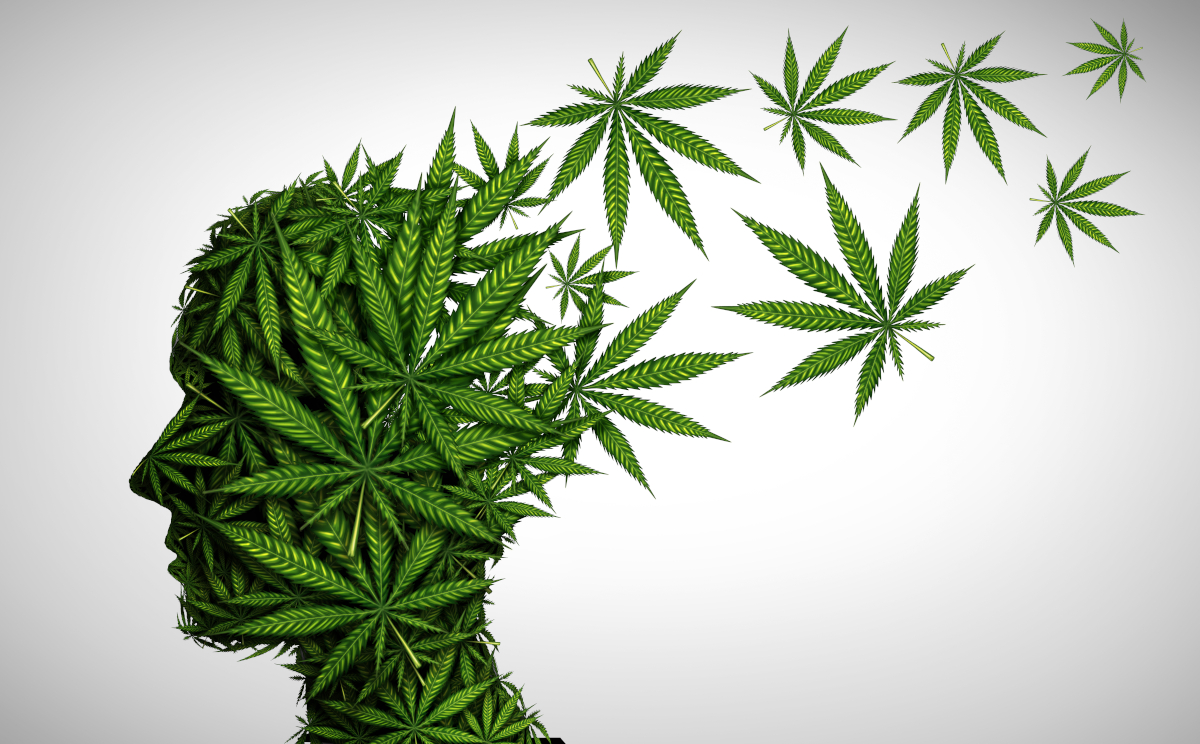
Cannabis, also known as marijuana, is a plant that has been used for centuries for medicinal and recreational purposes. With the legalization of cannabis in several states and countries, there has been a surge of interest in its potential therapeutic benefits, particularly for mental health conditions. While cannabis can be beneficial for some individuals, it is important to understand the potential risks and limitations of its use in relation to mental health.
The active components in cannabis, known as cannabinoids, interact with the body’s endocannabinoid system, which plays a role in regulating various physiological processes, including mood, appetite, and pain sensation. The two most well-known cannabinoids in cannabis are tetrahydrocannabinol (THC) and cannabidiol (CBD). THC is the psychoactive component responsible for the “high” associated with cannabis use, while CBD is non-psychoactive and has been studied for its potential therapeutic effects.
Cannabis has been used to alleviate symptoms of a variety of mental health conditions, including anxiety, depression, post-traumatic stress disorder (PTSD), and schizophrenia. However, the evidence supporting its effectiveness in treating these conditions is mixed, and more research is needed to fully understand its therapeutic potential.
Some studies suggest that cannabis use may be associated with increased risk of mental health problems, particularly in individuals with a history of mental health conditions. For example, regular cannabis use has been linked to increased risk of psychotic disorders such as schizophrenia, as well as anxiety and depression. Additionally, cannabis use during adolescence has been associated with long-term changes in brain function and structure, which may increase the risk of developing mental health problems later in life.
It is also important to note that cannabis use can have negative effects on cognitive function, particularly in areas such as attention, memory, and decision-making. These effects may be particularly pronounced in individuals who begin using cannabis at a young age, and may have long-lasting consequences.
While cannabis may have potential therapeutic benefits for some individuals with mental health conditions, it is important to approach its use with caution and under the guidance of a healthcare professional. Individuals with a history of mental health conditions, particularly those with a history of psychotic disorders, should be particularly cautious about using cannabis.
In conclusion, while cannabis may hold promise as a treatment for certain mental health conditions, its potential risks and limitations should be carefully considered. More research is needed to fully understand the effects of cannabis on mental health, and individuals should approach its use with caution and under the guidance of a healthcare professional.